API Freshwater Master Test Kit Review: Every Test, Step by Step
The API Freshwater Master Test Kit is still the kit to beat for freshwater tanks. Here is what each of its five tests measures, how to run them correctly, and its limits.
Aquarium equipment buying guides
Which filter moves enough water for your tank, what wattage heater it needs, whether a light can grow plants or corals, and how much a filled tank weighs on its stand. Every guide shows the makers' figures, the sources and what else you need to buy.
The specs behind every pick
The guides most readers need first.
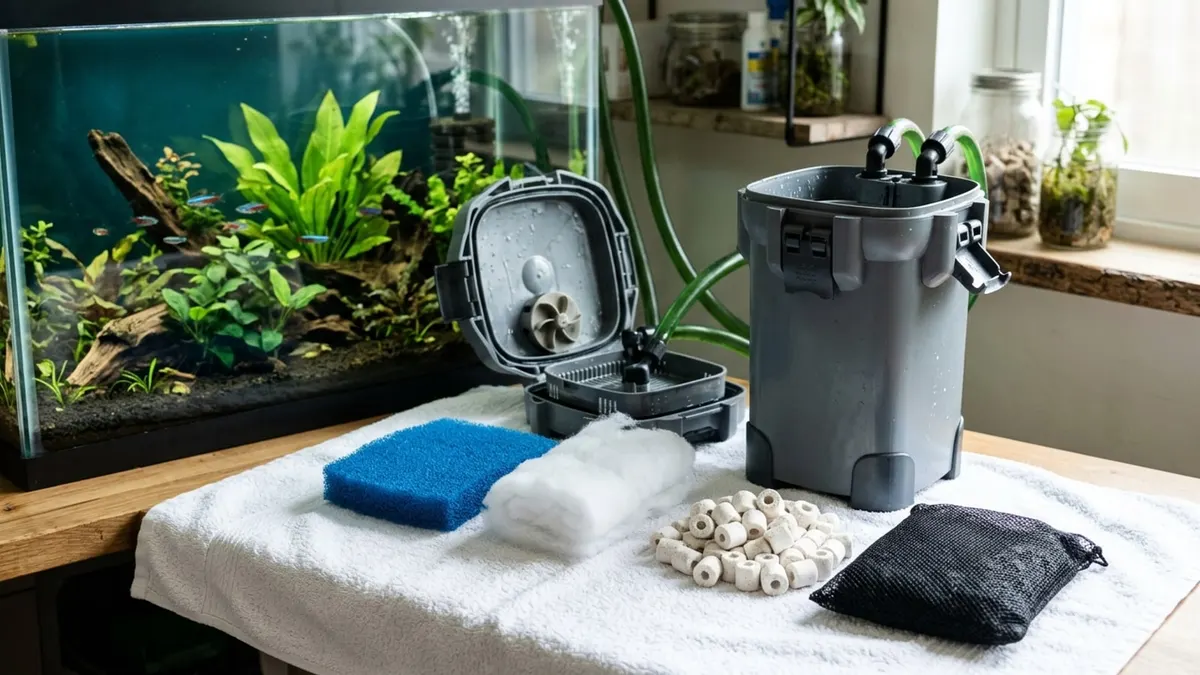
Buying guideWhich filter type fits your tank, and the one we would buy at each size: a sponge for bettas and shrimp, Fluval's AC30 up to 30 gallons, the 307 canister for 40 to 70, and the FX4 above that.
Read the guide
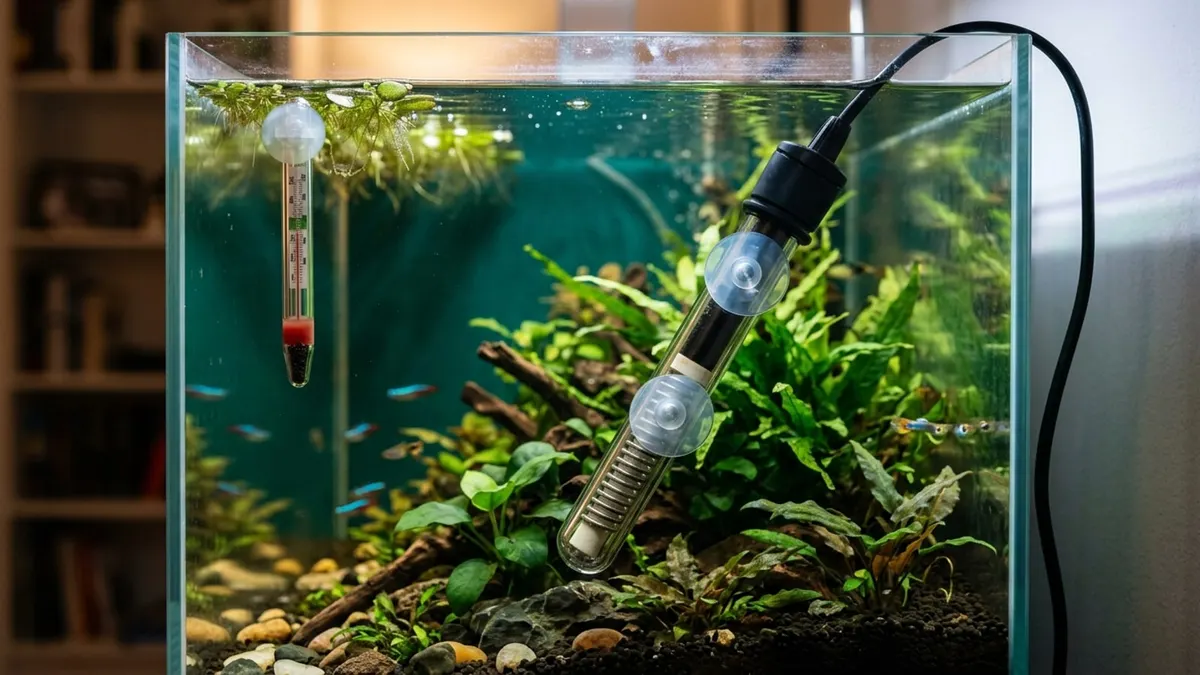
Buying guideFluval's E200 is the heater we would put in a 40 to 55 gallon tank. Here is how it compares with EHEIM's thermocontrol e, a titanium heater with a controller, Inkbird's safety controller and a preset budget pick.
Read the guide
Buying guideMarineland's Portrait 5 is the betta tank we would buy: 5 gallons, a hidden filter, a glass canopy and a hinged LED. Here are the alternatives and the heater each one still needs.
Read the guide
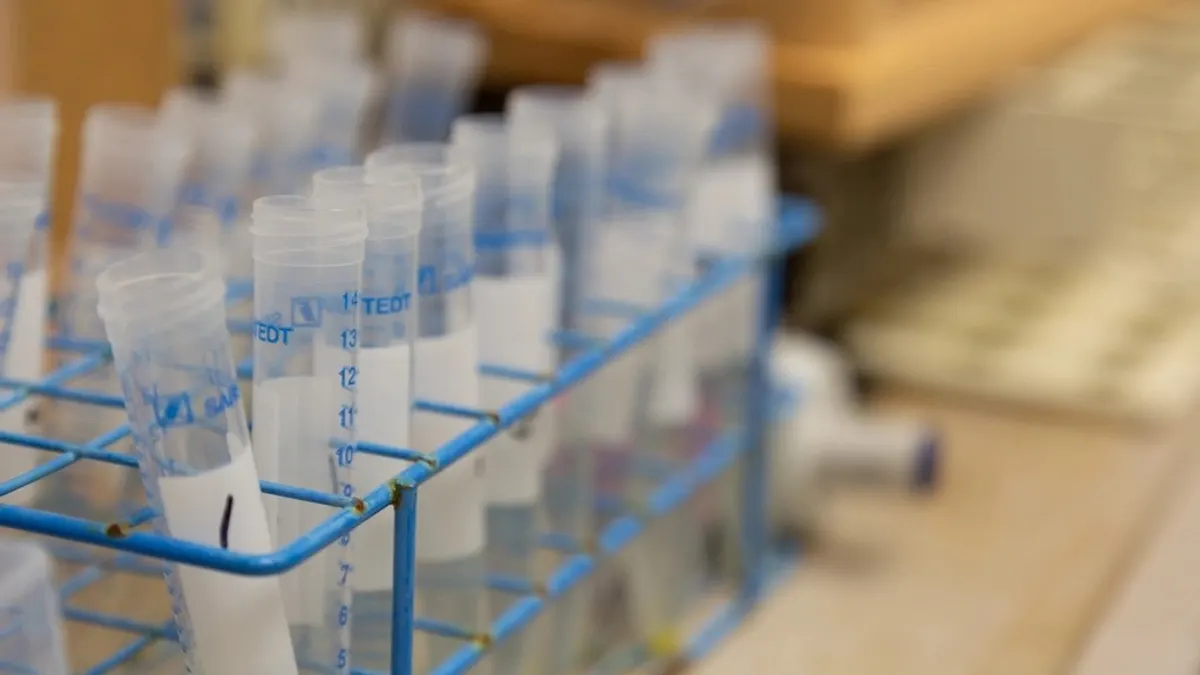
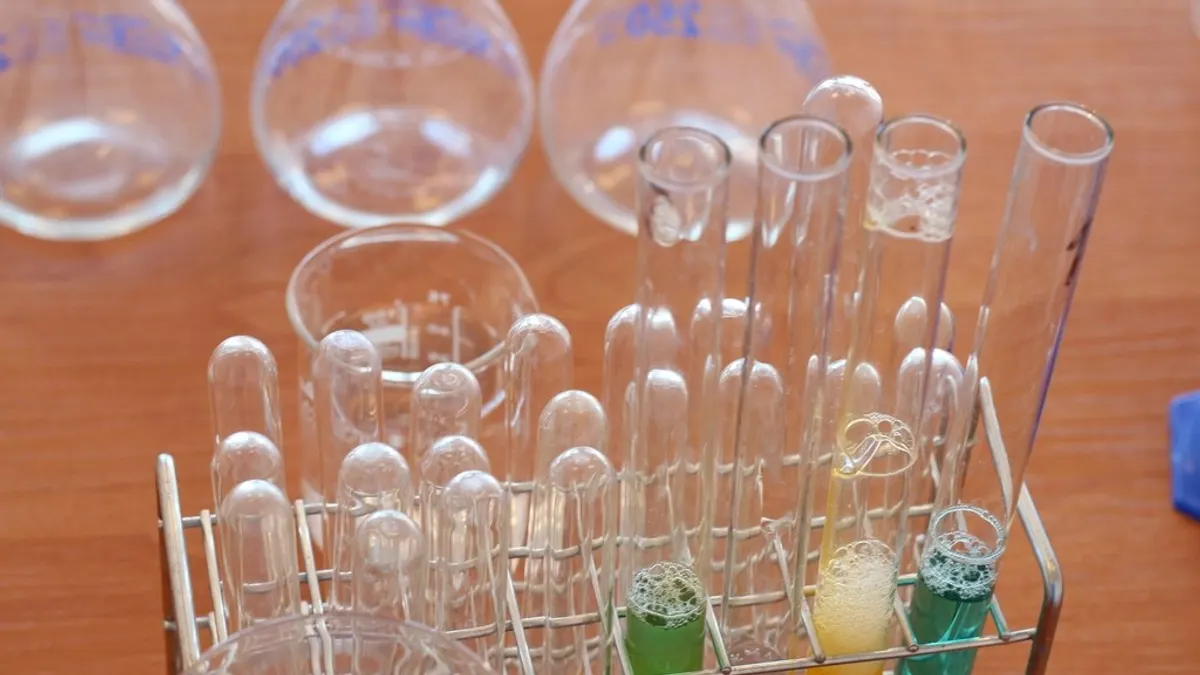
Buying guideAPI's Freshwater Master Test Kit is the one we would buy: ammonia, nitrite, nitrate and two pH ranges, over 800 tests. Here is when strips are enough and what reef tanks need.
Read the guideStart from the tank you are building. Each row names the usual setup and the guides that compare the gear for it.
A betta in a small tank
A 5 gallon or larger tank, a small adjustable heater and a gentle filter
A first community tank
A 10 or 20 gallon kit, then a cycled filter before any fish
A bigger freshwater tank
A canister filter, a heater sized to the room, and a stand rated for the weight
A planted tank
A light with enough output for plants, and gentle flow
Fry, shrimp or a hospital tank
An air pump and a sponge filter that cannot pull in small animals
A reef or saltwater tank
A skimmer, flow from a wavemaker, top-off water and a reef light
Water you can trust
A liquid test kit, a conditioner for tap water, and regular water changes
A tank that runs too warm
A chiller sized to the tank, or fans for a small rise
Makers' figures first
Flow rates, wattages, light output, load ratings, dosing and warranties from the makers' own pages, manuals and labels.
A clear pick
Each guide names what we would buy, for which size and kind of tank, and what else you need to buy with it.
Sources on every page
Every guide links the maker documents, labels and references it was built from.
New and updated buying guides, comparisons and explainers.
The API Freshwater Master Test Kit is still the kit to beat for freshwater tanks. Here is what each of its five tests measures, how to run them correctly, and its limits.
Sponge first, then biomedia, then floss or carbon if you want them. Here is what each kind of filter media does, the order it goes in, and what to rinse versus replace.
Enter your tank's volume and how warm the room is. The calculator gives a wattage from sera's watts-per-liter guide and the EHEIM heater size rated for that volume.
Enter a tank's dimensions or pick a standard Aqueon size. The calculator gives the water volume, the water's weight, and the filled weight to check against your stand.
Aqueon's 10 gallon starter kit is the one we would buy because it includes a preset heater and thermometer. Here is the budget Tetra kit, a bare tank, and a stand that fits.
Tetra's 20 gallon kit includes a heater and thermometer with the tank and filter. Here is how it compares with Aqueon's and GloFish's kits, a bare Aqueon tank and a rimless option.